

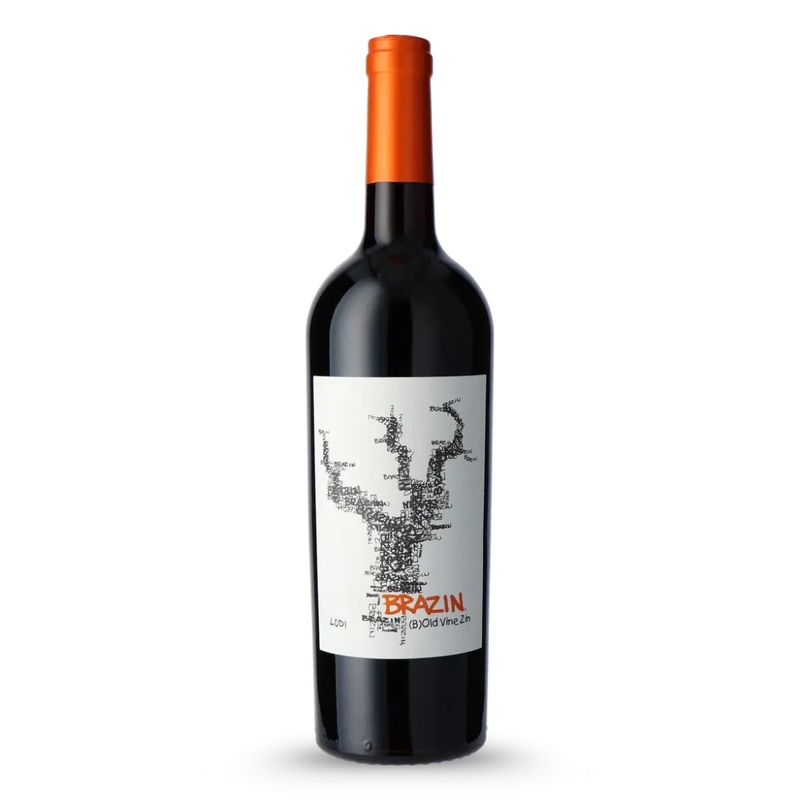


In Lodi, a long history of viticulture meets the conditions for ample grape ripeness.
- Location / origin: The grapes come from the Lodi AVA in California, east of the San Francisco Bay. The region has a great tradition of preserving and tending to old vineyards.
- Old vines: Brazin is made from old Zinfandel vines that have been in the ground for decades. The gnarled trunks and deeply developed root systems are part of the landscape of these historic vineyards.
- Soil: The vineyards involved have a sandy subsoil. Such soils typically allow water to drain easily, making water management a key focus in caring for the vines.
- Climate & influences: Warm days help the grapes to ripen fully. In the course of the day, cooler air flows into the area; this cooling effect helps maintain aromas alongside the accumulated ripeness.
In the cellar, fruit preservation and wood aging are combined to further shape its full-bodied style.
- Preparation: The winemaking process involves the use of both stainless steel and wood. Steel does not add any wood aromas itself, so the fruit remains a clear foundation for later development in the barrel.
- Maturation: The wine matures for about 1 year in French and American oak barrels. This aging adds nuances of vanilla and spices and gives the structure time to develop. This allows the ripe fruit to be joined by warmer, toasted notes.
The name ‘Zin’ refers to the grape so closely associated with California’s winemaking history.
- Zinfandel – Lodi: Zinfandel gives Brazin its full body, ripe fruit, and spicy character. The grape can combine great flavor intensity with distinct tannins, which also make this wine suitable for serving with hearty dishes.


