Champagne

Champagne is the world's most famous sparkling wine and comes exclusively from the eponymous region in northern France. No other wine region combines tradition, chalky soils, grape quality, and the traditional method quite like Champagne. At Perfecte Wijn, you'll find Champagne in a wide variety of styles, from crisp Brut to rich Vintage and prestigious cuvées.

Champagne is the world's most famous sparkling wine and comes exclusively from the eponymous region in northern France.

Read more

153 products

Items per row:
Champagne
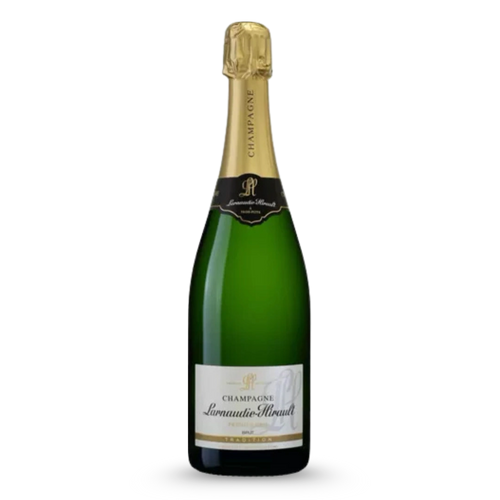
Champagne Larnaudie Hirault Brut

33 , 9 5
Champagne Larnaudie Hirault Brut France, Chardonnay, Pinot Noir, Meunier

Champagne
Teaser label
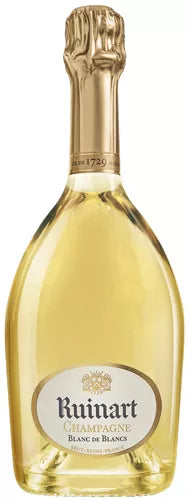
Ruinart Blanc de Blancs Second Skin Champagne Ruinart Blanc de Blancs Second Skin Champagne

Champagne
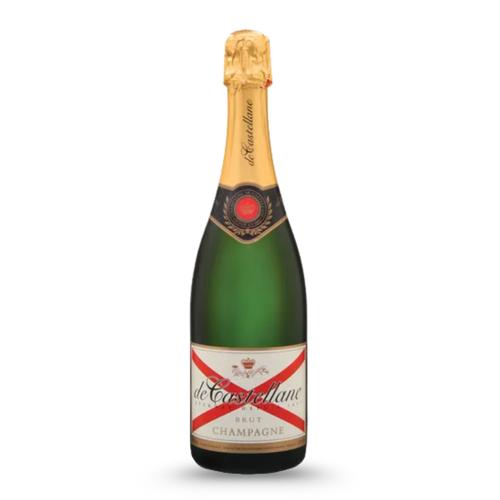
The Castellane Champagne Brut

26 , 9 9
The Castellane Champagne Brut France, Pinot Noir, Chardonnay, Meunier

Champagne
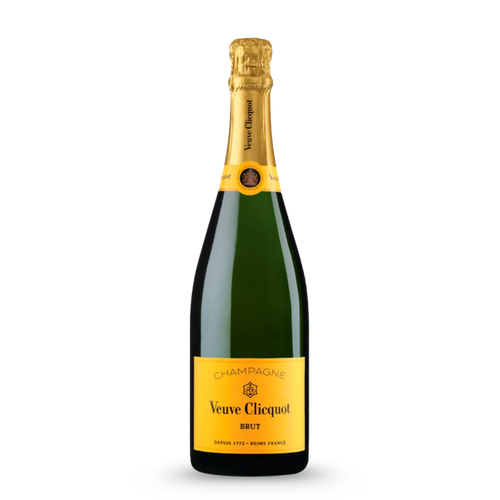
Veuve Clicquot Brut Champagne

55 , 9 5
Veuve Clicquot Brut Champagne France, Pinot Noir, Meunier, Chardonnay

Champagne
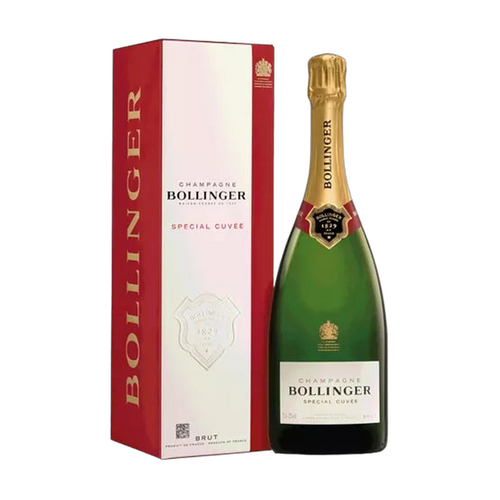
Champagne Bollinger Special Cuvée

63 , 9 5
Champagne Bollinger Special Cuvée France, Chardonnay, Meunier, Pinot Noir

Champagne
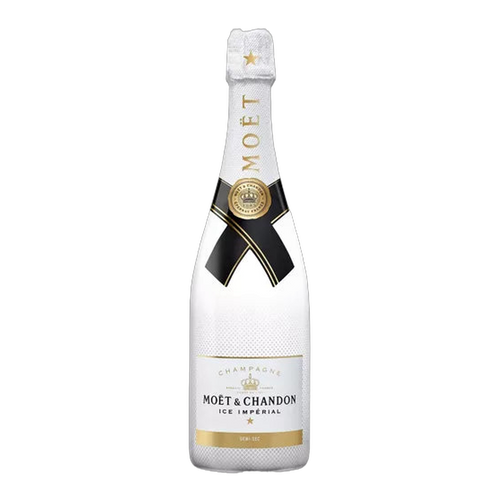
Moet & Chandon Ice Imperial

60 , 9 5
Moet & Chandon Ice Imperial France, Pinot Noir, Meunier, Chardonnay

Champagne
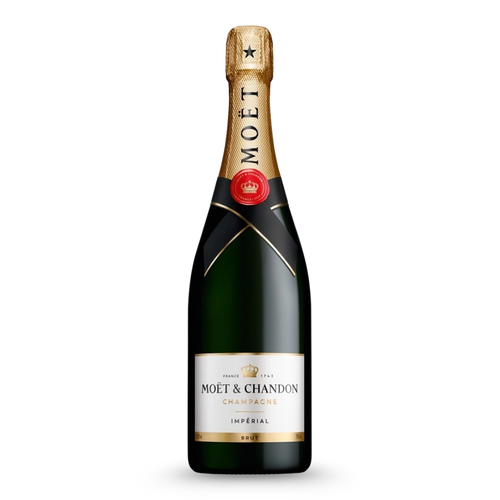
Moet & Chandon Imperial Brut

50 , 9 5
Moet & Chandon Imperial Brut France, Pinot Noir, Meunier, Chardonnay

Champagne
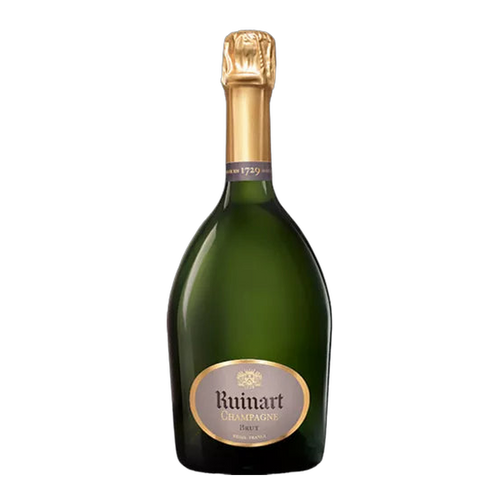
Ruinart Champagne Brut

65 , 9 5
Ruinart Champagne Brut France, Pinot Noir, Meunier, Chardonnay

Champagne
Teaser label
Philipponnat Champagne Royale Réserve Brut

50 , 9 5
Philipponnat Champagne Royale Réserve Brut France, Chardonnay, Pinot Noir, Meunier

Champagne
Teaser label
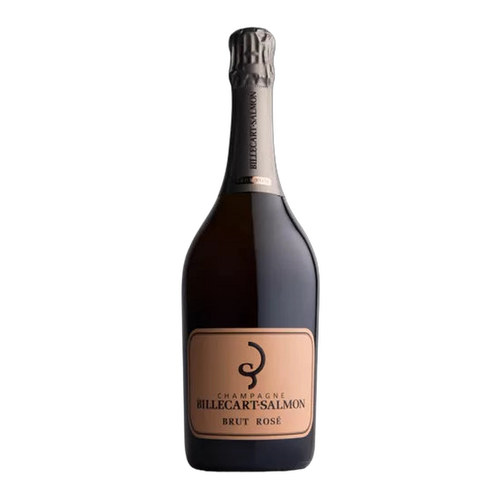
Champagne Billecart Salmon Brut Rosé

91 , 9 5
Champagne Billecart Salmon Brut Rosé France, Chardonnay, Meunier, Pinot Noir

Champagne
Champagne Baron Fuente Tradition Brut

26 , 3 9
Champagne Baron Fuente Tradition Brut France, Pinot Noir, Meunier, Chardonnay

Champagne
Teaser label
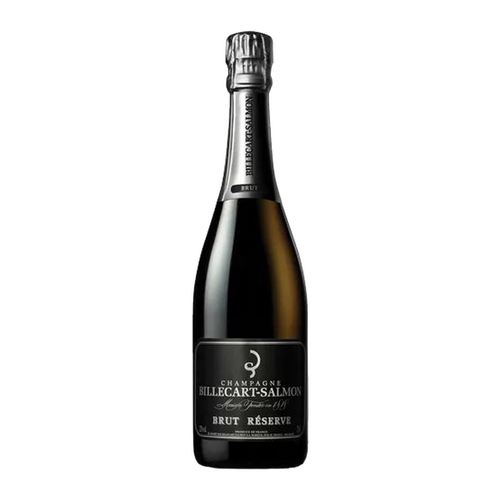
Champagne Billecart Salmon Brut Reserve

60 , 9 5
Champagne Billecart Salmon Brut Reserve France, Chardonnay, Meunier, Pinot Noir

Champagne
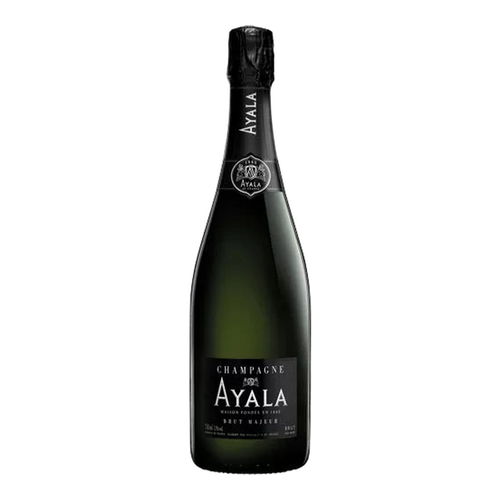
Ayala Brut Majeur Champagne

Normally

€48,95

40 , 9 9
Ayala Brut Majeur Champagne France, Chardonnay, Meunier, Pinot Noir

-16%
Champagne
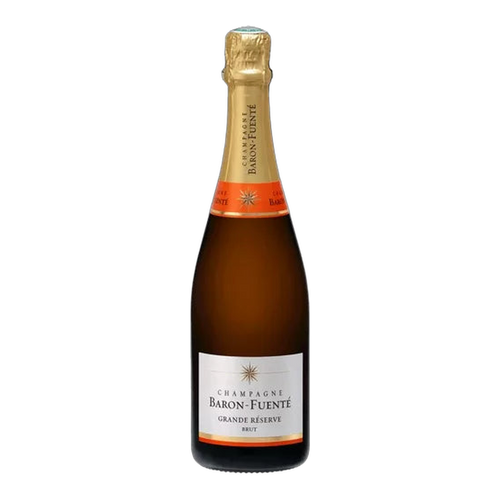
Champagne Baron Fuente Grande Reserve Brut

27 , 7 9
Champagne Baron Fuente Grande Reserve Brut France, Pinot Noir, Meunier, Chardonnay

Champagne
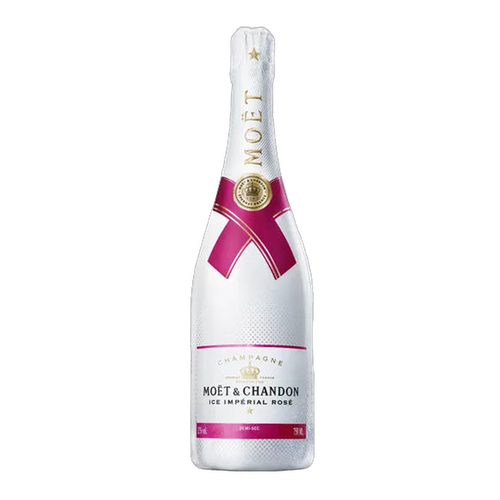
Moet & Chandon Ice Imperial Rosé

65 , 9 5
Moet & Chandon Ice Imperial Rosé France, Chardonnay, Pinot Noir

Champagne
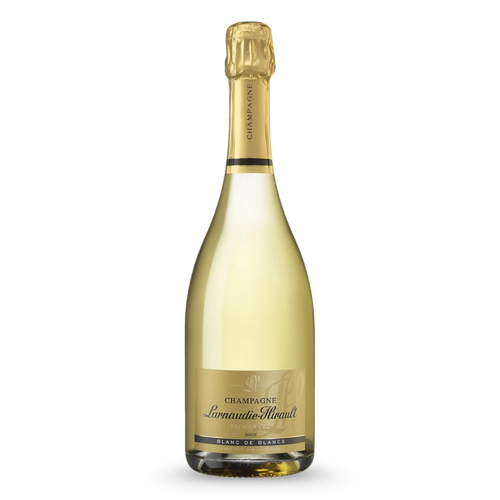
Champagne Larnaudie Hirault Blanc de Blancs

Champagne
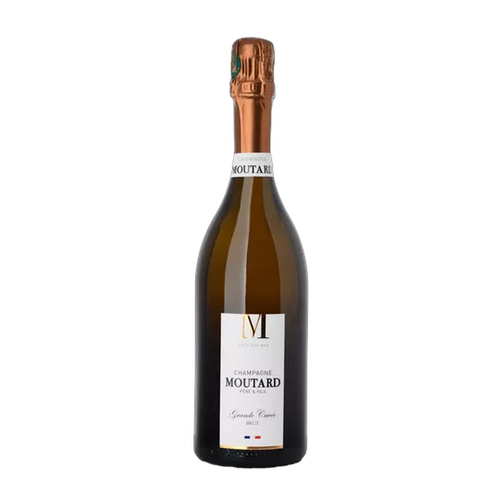
Champagne Moutard Brut

43 , 9 5
Champagne Moutard Brut France, Pinot Noir

Champagne
Teaser label
Champagne R Gerbaux L'Epicurien Brut

32 , 9 5
Champagne R Gerbaux L'Epicurien Brut France, Chardonnay, Meunier, Pinot Noir

Shipment within approx. 2 business days. Shipment within approx. 2 business days.

Champagne
Teaser label
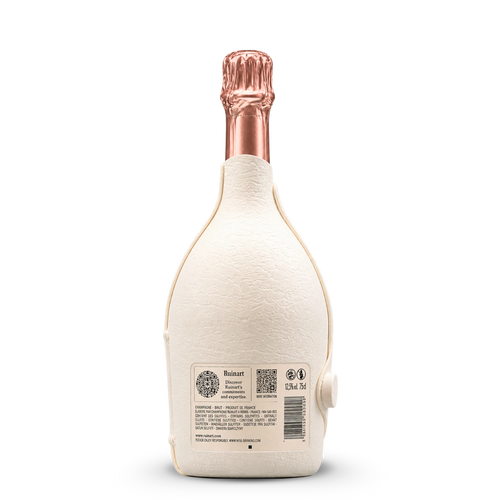
Ruinart Rosé Second Skin Champagne Ruinart Rosé Second Skin Champagne

90 , 9 5
Ruinart Rosé Second Skin Champagne France, Pinot Noir, Chardonnay

Champagne
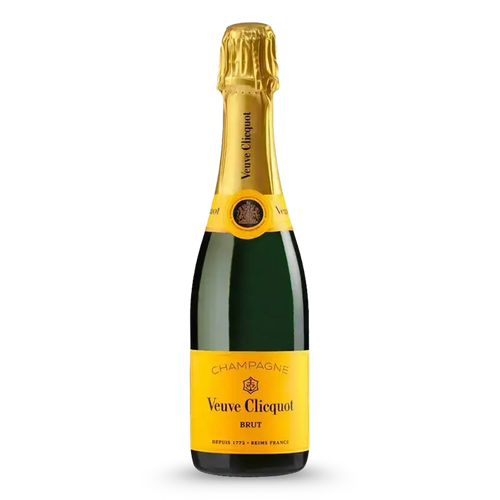
Veuve Clicquot Brut 0,375L

35 , 9 5
Veuve Clicquot Brut 0,375L France, Pinot Noir, Meunier, Chardonnay

Bubbles
Teaser label
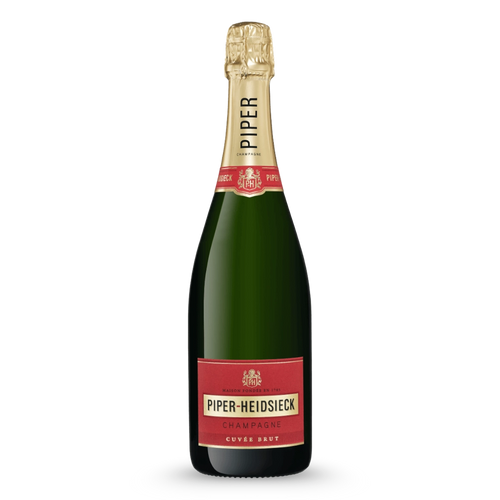
Piper Heidsieck Cuvee Brut

38 , 9 5
Piper Heidsieck Cuvee Brut France, Chardonnay, Meunier, Pinot Noir

Champagne
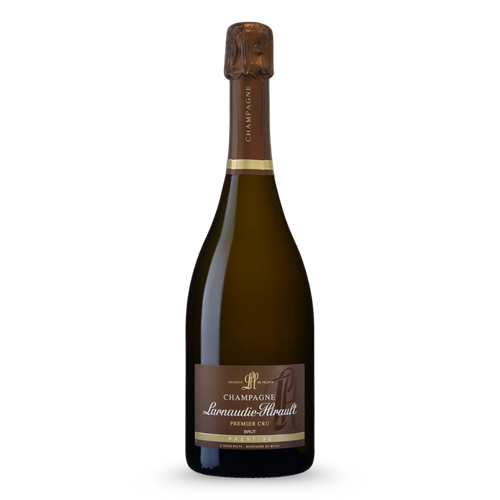
Champagne Larnaudie Hirault Cuvee Prestige

40 , 9 5
Champagne Larnaudie Hirault Cuvee Prestige France, Chardonnay, Pinot Noir

Champagne
Moët & Chandon Ice MAGNUM 1.5L

130 , 9 5
Moët & Chandon Ice MAGNUM 1.5L France, Pinot Noir, Meunier, Chardonnay

Champagne
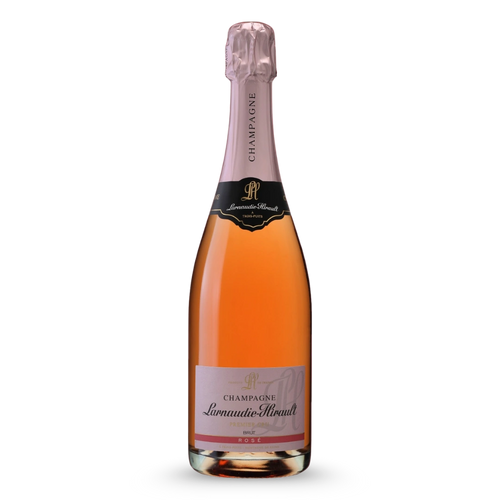
Champagne Larnaudie Hirault Rose

35 , 9 5
Champagne Larnaudie Hirault Rose France, Chardonnay, Pinot Noir, Meunier

Page of 7

What is Champagne?

Champagne is a protected designation of origin for sparkling wine produced exclusively in the Champagne region. The wine is always produced using the traditional method , in which a second fermentation in the bottle creates an exceptionally fine sparkling wine. The three main grape varieties are Chardonnay, Pinot Noir, and Pinot Meunier.

Origin and vineyards

The Champagne region consists of several sub-areas:
Montagne de Reims – powerful Champagnes based on Pinot Noir.
Vallée de la Marne – fruity, round styles thanks to Pinot Meunier.
Côte des Blancs – the domain of pure Chardonnay, loved for its elegance.
Côte des Bar (Aube) – riper Pinot Noir with warm expression.

The chalky soils, fresh northern location and long bottle aging make Champagne unique and unmistakable in style.

What is the méthode traditionnelle?

The traditional method is the classic way to make Champagne. The second fermentation takes place in the bottle. The base wine is enriched with yeast and sugar (liqueur de tirage). The bottle is capped, after which carbon dioxide is created and dissolved in the wine. During the aging process, aromas of brioche, toast, and nuts develop.
After remuage and disgorgement, the yeast residues are removed, and the added dosage determines the final sugar content. This method produces the most refined mousse and aromatic complexity.

Want to know more about how sparkling wine fizzes? Then check out this blog post.

What are the residual sugar classifications for Champagnes?

Champagne has official sweetness levels, determined by the amount of residual sugar after dosage:

  • Brut Nature / Zero Dosage (0–3 g/L) – extremely tight, dry and pure.
  • Extra Brut (0–6 g/L) – very dry, with sharp precision and lots of minerality.
  • Brut (0–12 g/L) – the most popular style; fresh, dry and widely applicable.
  • Extra Dry (12–17 g/L) – lightly perfumed with a soft, subtle sweetness.
  • Sec (17–32 g/L) – noticeably sweeter but still fresh.
  • Demi-Sec (32–50 g/L) – distinct sweetness, ideal with desserts.
  • Doux (50+ g/L) – the sweetest category, rare and rich in style.

This classification will help you find exactly the right Champagne to suit your taste and occasion.

What styles of Champagne do you have based on grapes and vinification?

Champagne varies greatly depending on the grapes and the vinification process:

  • Blanc de Blancs – 100% Chardonnay. Elegant, citrusy, and mineral.
  • Blanc de Noirs – exclusively Pinot Noir and/or Pinot Meunier. Full-bodied, powerful, and rich.
  • Rosé Champagne – made through blending or saignée; fresh notes of red fruit.
  • Vintage (Millésimé) – from a single exceptional harvest year, with greater concentration and ageing potential.
  • Non-Vintage (NV) – the classic house style, built up over several years for consistent quality.
  • Prestige Cuvée – the flagship of a house, long-matured and extremely refined.

Each style has its own character, from sleek and mineral to broad and creamy.

Storage and serving

Non-vintage Champagnes are usually enjoyed within three to five years. Vintage and prestige cuvées can mature for ten to twenty years or longer, developing brioche and honey notes. Serve Champagne at 8 to 10 degrees Celsius in a tulip-shaped glass for optimal aromas and mousse.

Buy Champagne at Perfectewijn.nl

At Perfecte Wijn, you'll find Champagne from both classic houses and artisanal producers. From lively aperitif Brut to rich Vintage Champagne: always carefully selected for finesse, balance, and elegance.

Champagne

Champagne is the world's most famous sparkling wine and comes exclusively from the eponymous region in northern France. No other wine region combines tradition, chalky soils, grape quality, and the traditional method quite like Champagne. At Perfecte Wijn, you'll find Champagne in a wide variety of styles, from crisp Brut to rich Vintage and prestigious cuvées.

What is Champagne?

Champagne is a protected designation of origin for sparkling wine produced exclusively in the Champagne region. The wine is always produced using the traditional method , in which a second fermentation in the bottle creates an exceptionally fine sparkling wine. The three main grape varieties are Chardonnay, Pinot Noir, and Pinot Meunier.

Origin and vineyards

The Champagne region consists of several sub-areas:
Montagne de Reims – powerful Champagnes based on Pinot Noir.
Vallée de la Marne – fruity, round styles thanks to Pinot Meunier.
Côte des Blancs – the domain of pure Chardonnay, loved for its elegance.
Côte des Bar (Aube) – riper Pinot Noir with warm expression.

The chalky soils, fresh northern location and long bottle aging make Champagne unique and unmistakable in style.

What is the méthode traditionnelle?

The traditional method is the classic way to make Champagne. The second fermentation takes place in the bottle. The base wine is enriched with yeast and sugar (liqueur de tirage). The bottle is capped, after which carbon dioxide is created and dissolved in the wine. During the aging process, aromas of brioche, toast, and nuts develop.
After remuage and disgorgement, the yeast residues are removed, and the added dosage determines the final sugar content. This method produces the most refined mousse and aromatic complexity.

Want to know more about how sparkling wine fizzes? Then check out this blog post.

What are the residual sugar classifications for Champagnes?

Champagne has official sweetness levels, determined by the amount of residual sugar after dosage:

  • Brut Nature / Zero Dosage (0–3 g/L) – extremely tight, dry and pure.
  • Extra Brut (0–6 g/L) – very dry, with sharp precision and lots of minerality.
  • Brut (0–12 g/L) – the most popular style; fresh, dry and widely applicable.
  • Extra Dry (12–17 g/L) – lightly perfumed with a soft, subtle sweetness.
  • Sec (17–32 g/L) – noticeably sweeter but still fresh.
  • Demi-Sec (32–50 g/L) – distinct sweetness, ideal with desserts.
  • Doux (50+ g/L) – the sweetest category, rare and rich in style.

This classification will help you find exactly the right Champagne to suit your taste and occasion.

What styles of Champagne do you have based on grapes and vinification?

Champagne varies greatly depending on the grapes and the vinification process:

  • Blanc de Blancs – 100% Chardonnay. Elegant, citrusy, and mineral.
  • Blanc de Noirs – exclusively Pinot Noir and/or Pinot Meunier. Full-bodied, powerful, and rich.
  • Rosé Champagne – made through blending or saignée; fresh notes of red fruit.
  • Vintage (Millésimé) – from a single exceptional harvest year, with greater concentration and ageing potential.
  • Non-Vintage (NV) – the classic house style, built up over several years for consistent quality.
  • Prestige Cuvée – the flagship of a house, long-matured and extremely refined.

Each style has its own character, from sleek and mineral to broad and creamy.

Storage and serving

Non-vintage Champagnes are usually enjoyed within three to five years. Vintage and prestige cuvées can mature for ten to twenty years or longer, developing brioche and honey notes. Serve Champagne at 8 to 10 degrees Celsius in a tulip-shaped glass for optimal aromas and mousse.

Buy Champagne at Perfectewijn.nl

At Perfecte Wijn, you'll find Champagne from both classic houses and artisanal producers. From lively aperitif Brut to rich Vintage Champagne: always carefully selected for finesse, balance, and elegance.

Frequently Asked Questions

What makes Champagne different from other sparkling wines?

From dry to sweet, the levels are: Brut Nature, Extra Brut, Brut, Extra Dry, Sec, Demi-Sec, and Doux.

What is the difference between Blanc de Blancs and Blanc de Noirs?

NV can be aged for three to five years, while Vintage and prestige cuvées can age for ten to twenty years or longer.

What does Vintage Champagne mean?

That the wine comes from a single vintage, often with more depth and aging potential.

Image of the collection