

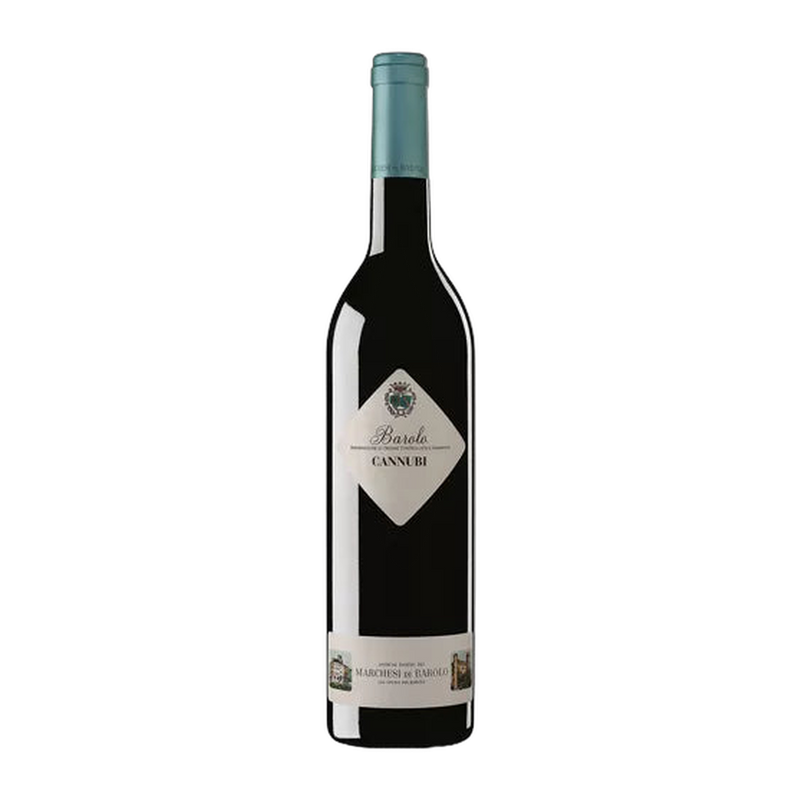


The grapes are harvested by hand and then quickly transported to the cellar. Here, they are pressed and gently descaled to preserve only the finest aromas from the skins and outer part of the grape. Fermentation takes place in thermo-conditioned tanks at a controlled temperature. Skin maceration lasts ten days, with the fermenting juice regularly recycled from the bottom to the top of the tank to gently integrate the tannins and achieve the desired color. Once fermentation is complete, the grape's natural sugars are completely converted into alcohol. The wine is then racked in cement tanks lined with fiberglass and insulated with cork, where it rests at a post-fermentation temperature of approximately twenty-two degrees Celsius. This temperature triggers a natural process called malolactic fermentation, which transforms the harsh malic acid into a softer lactic acid, a process that takes approximately two months. The wine is aged for two years, partly in Slavonian oak barrels and partly in small, moderately toasted French oak barrels. Finally, the wine is blended in traditional large oak barrels and aged for another twelve months before being released. Barolo Cannubi reaches its full maturity six years after harvest and can be enjoyed for its entire lifespan, ranging from six to 25 years.
This wine is garnet red in color with ruby reflections. The intense nose offers distinct notes of rose, vanilla, licorice, spices, toasted oak, and a soft scent of absinthe. The palate is full-bodied and elegant, well-balanced and austere, with remarkably elegant tannins. The spicy character and hints of wood blend perfectly.


