
Sonoma
Sonoma is one of California 's most diverse and high-quality wine regions. Located north of San Francisco, the region is known for elegant, terroir-driven wines with freshness, balance, and expression. Unlike some of California's more powerful regions, Sonoma is all about nuance and diversity, with excellent Pinot Noir, Chardonnay, and refined red blends. Sonoma is often seen as an elegant counterpoint to Napa Valley .
11 products

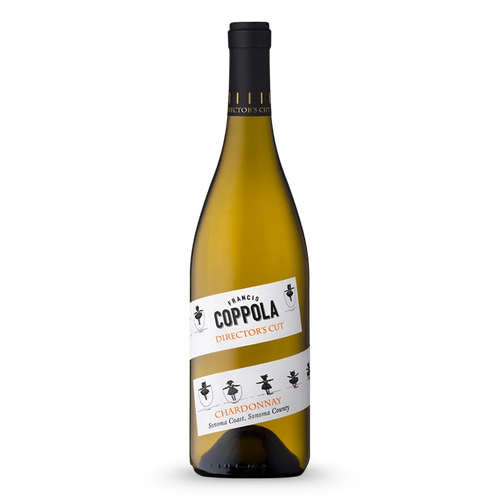
Order now, shipped tomorrow Shipped tomorrow


Order now, shipped tomorrow Shipped tomorrow
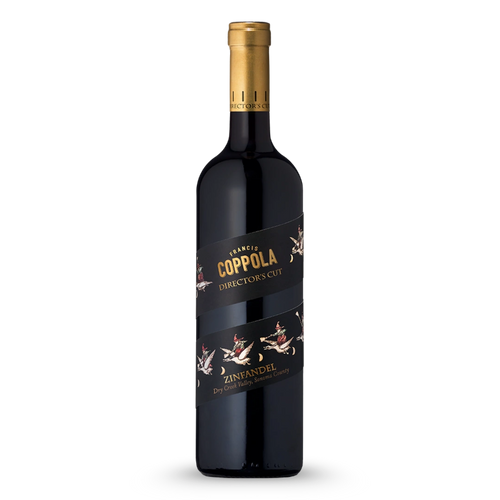
Order now, shipped tomorrow Shipped tomorrow
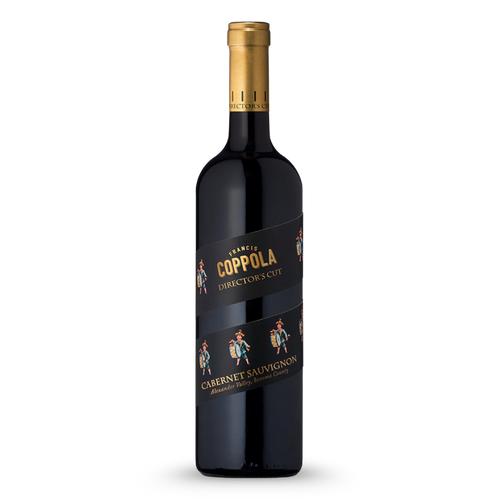
Order now, shipped tomorrow Shipped tomorrow
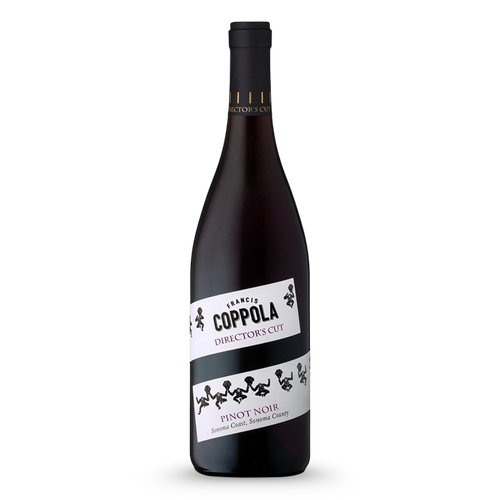
Order now, shipped tomorrow Shipped tomorrow
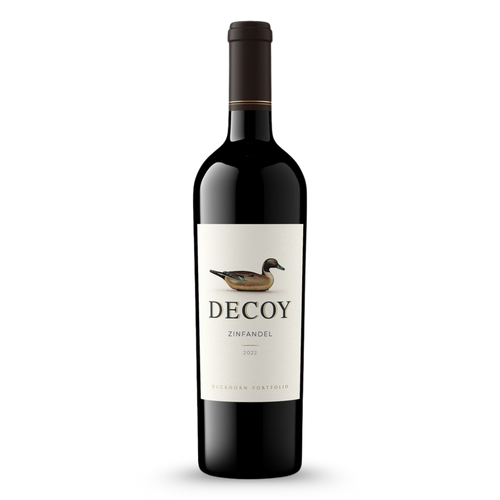
Order now, shipped tomorrow Shipped tomorrow

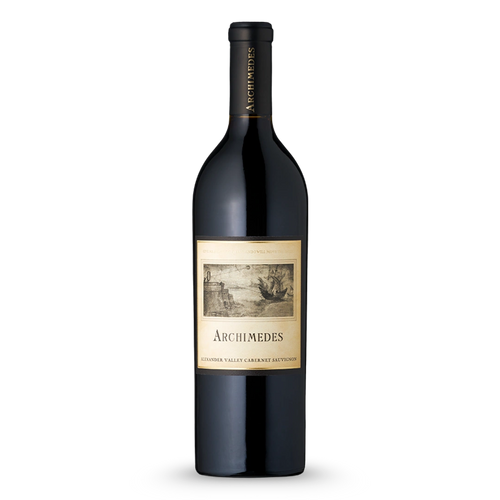
Shipment within approx. 2 business days. Shipment within approx. 2 business days.
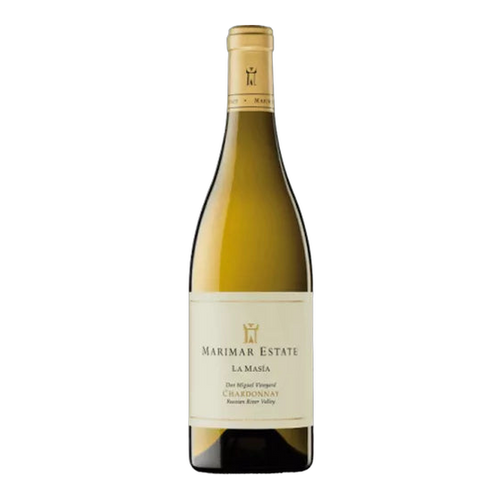
Shipment within approx. 2 business days. Shipment within approx. 2 business days.
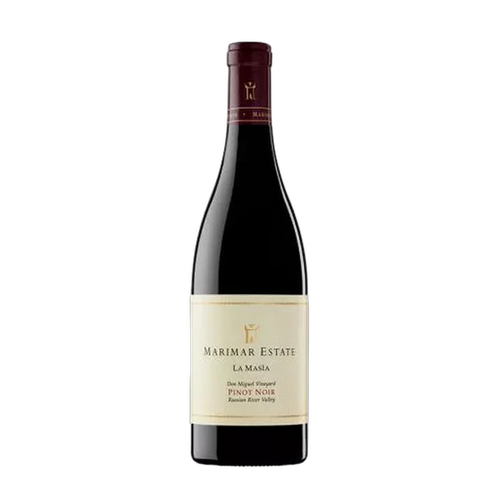
Order now, shipped tomorrow Shipped tomorrow
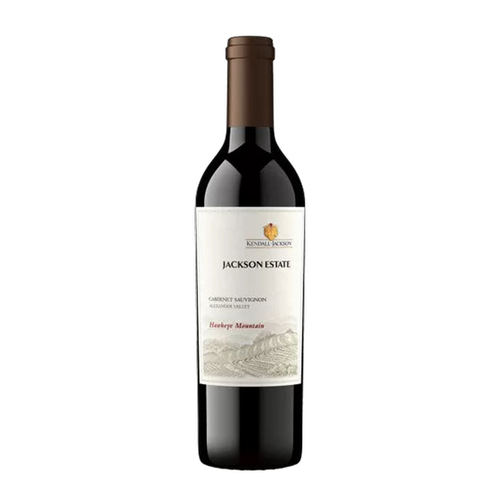
Shipment within approx. 2 business days. Shipment within approx. 2 business days.
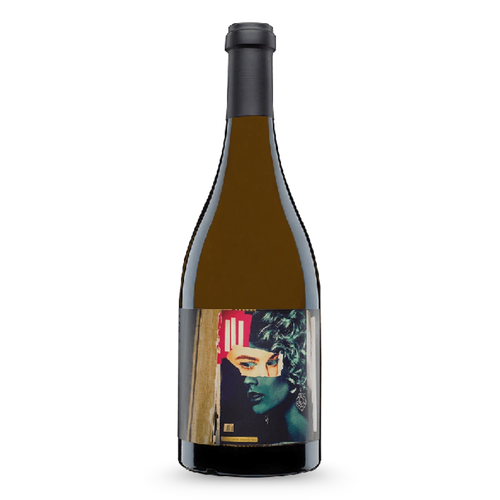
Order now, shipped tomorrow Shipped tomorrow
Sonoma is one of California 's most diverse and high-quality wine regions. Located north of San Francisco, the region is known for elegant, terroir-driven wines with freshness, balance, and expression. Unlike some of California's more powerful regions, Sonoma is all about nuance and diversity, with excellent Pinot Noir, Chardonnay, and refined red blends. Sonoma is often seen as an elegant counterpoint to Napa Valley .
What is Sonoma?
Sonoma is an American wine region (AVA) in California known for its wide variety of microclimates and subregions. Due to its proximity to the Pacific Ocean, mist influences, and varying elevations, Sonoma produces wines with greater freshness and aromatic precision than many warmer regions. The region has built a strong reputation among wine lovers who value finesse and provenance.
Why is Sonoma known for elegant wines? The cool ocean influence and wide variety of microclimates allow grapes to ripen slowly and retain their freshness.
Origin and history
Sonoma has a long winemaking history dating back to the 19th century. The region played a significant role in the early development of California wine and emerged as a center for quality winemaking in the latter half of the 20th century. Sonoma has always distinguished itself through its focus on terroir, sustainability, and small-scale production.
Key historical features:
- Early viticulture in the 19th century
- Rapid quality development from the 1960s onwards
- Focus on terroir and sub-regions
- Pioneering role in sustainable wine growing
Origin and vineyards
Sonoma County is geographically large and boasts an exceptionally diverse landscape. The influence of ocean mist and cool winds is crucial to the style of the wines.
Key terroir characteristics:
- Cool fog from the Pacific Ocean
- Large temperature differences between day and night
- Elevation differences from coast to hills
- Soils of clay, loam, sand and volcanic material
- Slow, even ripening
Major subregions within Sonoma:
- Russian River Valley – Pinot Noir and Chardonnay
- Sonoma Coast – cool, mineral and refined
- Dry Creek Valley – High-quality Zinfandel
- Alexander Valley – Cabernet Sauvignon with balance
- Carneros – fresh Chardonnay and Pinot Noir
Grapes and styles
Sonoma is known for its extensive grape plantings and style diversity.
White wine from Sonoma
• Chardonnay – fresh to lightly oak-matured, elegant
• Sauvignon Blanc – aromatic and tight
• Viognier – floral and round
Red wine from Sonoma
• Pinot Noir – refined, aromatic and elegant
• Cabernet Sauvignon – structured but not heavy
• Zinfandel – ripe fruit with spiciness
• Merlot – smooth and balanced
Stylistic features:
• Elegance over strength
• Fresh acids
• Good balance between fruit and wood
• Strong terroir expression
Vinification and philosophy
Winemakers in Sonoma operate with a clear quality philosophy.
• Focus on sub-region and plot
• Limited use of oak
• Sustainable and organic viticulture
• Craftsmanship approach
• Transparent origin
This approach makes Sonoma a favorite with wine lovers seeking authenticity.
Storage and serving
Storage potential:
• Pinot Noir and Chardonnay: 5–10 years
• Cabernet Sauvignon: 8–15 years
Serving temperature:
• White wine: 10–12 degrees
• Red wine: 16–18 degrees
Decanting:
• Cabernet Sauvignon: 1–2 hours
• Pinot Noir: usually not necessary
Buy Sonoma wine at Perfectewijn.nl
At Perfecte Wijn, you'll find wines from Sonoma for lovers of Californian wine with finesse and diversity. From elegant Pinot Noir and Chardonnay to balanced Cabernet Sauvignon, Sonoma offers quality, freshness, and character, with a clear sense of origin.
Veelgestelde vragen
Where exactly is Sonoma located?
North of San Francisco, California.
How is Sonoma different from Napa Valley?
Sonoma is cooler and more diverse, with more emphasis on elegance than power.
Which grape is most famous from Sonoma?
Pinot Noir and Chardonnay play a leading role.
Is Sonoma suitable for storing classics?
Yes, especially Cabernet Sauvignon and top Pinot Noir can age well.
Does Sonoma have many subregions?
Yes, the region has a large number of AVAs, each with its own character.


