
Wood-aged wine
Oak-aged wine is wine that has been partially or fully aged in oak barrels. This method gives both red and white wines added depth, structure, and aromas such as vanilla, toast, caramel, or smoke. Oak aging can be subtle or intense, depending on the barrel size, age, and duration of aging. Oak-aged wine is known worldwide for its complexity and is used in styles ranging from full-bodied Chardonnay to powerful Cabernet Sauvignon and elegant Rioja.
2522 products
Order now, shipped tomorrow Shipped tomorrow
Order now, shipped tomorrow Shipped tomorrow
Order now, shipped tomorrow Shipped tomorrow

Order now, shipped tomorrow Shipped tomorrow

Order now, shipped tomorrow Shipped tomorrow

Order now, shipped tomorrow Shipped tomorrow


Order now, shipped tomorrow Shipped tomorrow

Regular
€12,95
Order now, shipped tomorrow Shipped tomorrow
Order now, shipped tomorrow Shipped tomorrow
Order now, shipped tomorrow Shipped tomorrow


Order now, shipped tomorrow Shipped tomorrow
Order now, shipped tomorrow Shipped tomorrow
Order now, shipped tomorrow Shipped tomorrow


Order now, shipped tomorrow Shipped tomorrow
Order now, shipped tomorrow Shipped tomorrow

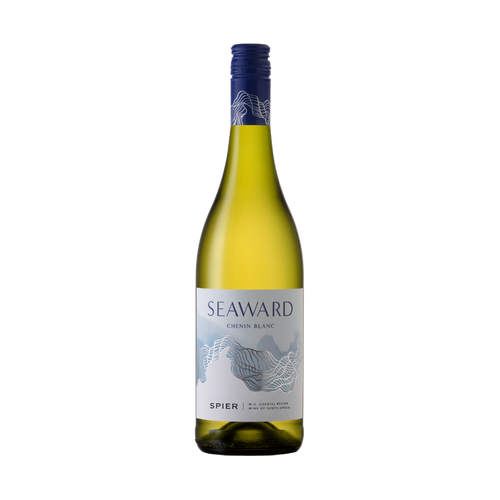
Order now, shipped tomorrow Shipped tomorrow

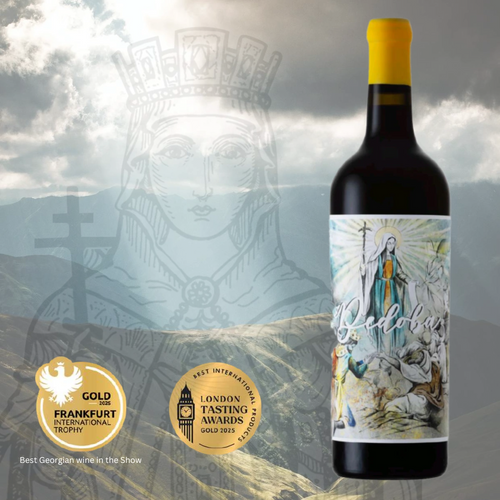
Regular 21,95
Order now, shipped tomorrow Shipped tomorrow

Regular 13,99
Order now, shipped tomorrow Shipped tomorrow
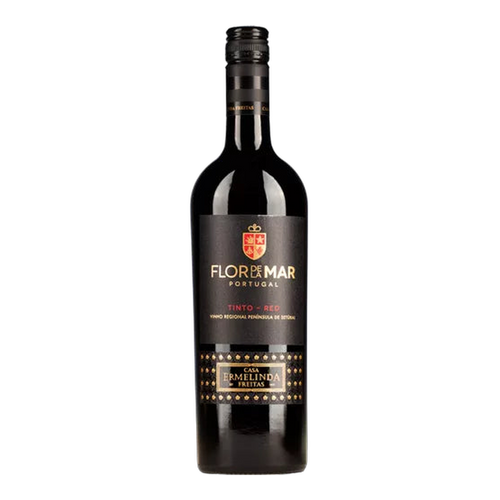
Order now, shipped tomorrow Shipped tomorrow
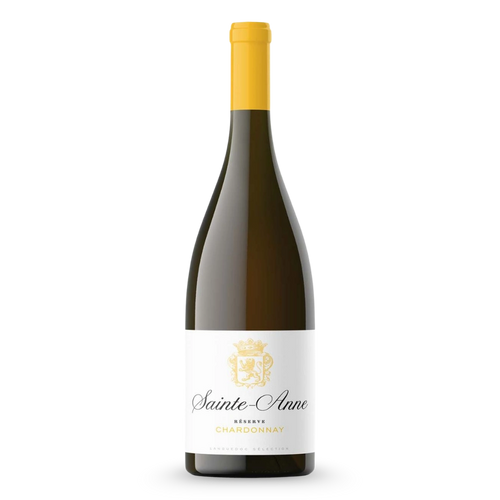
Order now, shipped tomorrow Shipped tomorrow
Oak-aged wine is wine that has been partially or fully aged in oak barrels. This method gives both red and white wines added depth, structure, and aromas such as vanilla, toast, caramel, or smoke. Oak aging can be subtle or intense, depending on the barrel size, age, and duration of aging. Oak-aged wine is known worldwide for its complexity and is used in styles ranging from full-bodied Chardonnay to powerful Cabernet Sauvignon and elegant Rioja.
What is wood-aged wine?
Oak-aged wine is wine that, after fermentation, is aged in oak barrels, ranging from small barriques to large foudres. The wine absorbs aromas from the wood, and micro-oxidation softens and rounds the structure. Both white wines (such as oak-aged Chardonnay) and red wines (such as Merlot, Cabernet Sauvignon, Tempranillo, and blends) can benefit from this technique.
In the blog posts "Barrique-Aged White Wine: Taste the Difference" and "What is a Barrique?" you can read more about how oak aging works and why it has such an impact on flavor and structure.
Origin and vineyards
Oak-aged wines are found all over the world, but mainly in regions where producers pay close attention to aging and structure.
Major areas of origin:
- Bourgogne – subtle, elegant wood aging on Chardonnay and Pinot Noir
- Bordeaux – Cabernet and Merlot blends with long barrel aging
- Rioja – one of the most famous regions for oak-aged wine styles (Crianza, Reserva, Gran Reserva)
- California – from creamy Chardonnay to powerful Cabernet Sauvignon
- South Africa and Australia – modern wood styles, ranging from subtle to intense
Terroir characteristics such as climate, grape varieties, and winemaking style determine how much oak a wine can handle. Cooler regions typically favor subtle oak, while warmer regions favor fuller, richer styles.
Styles and vinification
Why use wood?
Wood aging is intended to:
- Adding complexity
- To soften structure
- To create aromatic depth
- To make the wine last longer
- Developing notes of vanilla, toast, smoke, coconut, spices or hazelnut
What does oak aging do to wine? Wood adds extra aromas and makes the wine rounder and smoother as the wine slowly absorbs oxygen during barrel aging.
Main wood types
- French oak – elegant, subtle, fine structure
- American oak – fuller, more aromatic, often coconut and vanilla
- Eastern European oak – spicy, more neutral
- New vs. used barrels – new ones give stronger wood notes, used barrels give subtle maturation
Barrel size
-
Barrique (225 L) – more intense wood influence
Hogshead (300 L) – center post
Foudre (>1000 L) – subtle influence, mainly texture
You can read more about barriques and barrel types in the blog article What is a barrique?
Wood-aged white wine
Chardonnay and Chenin Blanc in particular are often aged in wood.
Features:
- Vanilla, toast, buttery notes
- Round structure
- Greater complexity
You will find an extensive explanation of this in Wood-matured white wine: taste the difference .
Wood-aged red wine
Typical grapes that mature well in wood:
- Cabernet Sauvignon
- Merlot
- Tempranillo
- Syrah
- Pinot Noir (subtle wood)
Storage and serving
Wood-aged wines generally have better ageing capacity.
• Wood-aged Chardonnay: 3–7 years
• Cabernet and Bordeaux blends: 5–15 years
• Wood-aged Tempranillo (Rioja Reserva / Gran Reserva): 5–20 years
• Modern wood styles (South Africa, Australia): 3–8 years
Serving temperatures:
• Red: 16–18 degrees
• Wood-matured white: 10–12 degrees
Buy wood-aged wine at Perfectewijn.nl
At Perfecte Wijn, you'll find both elegant oak-aged white wines and powerful reds. From subtly aged Chardonnay to rich Rioja, Bordeaux blends, and modern South African oak-aged cuvées: each wine is selected for its balance, drinking pleasure, and the quality of the oak integration.
Veelgestelde vragen
What is the difference between oak-aged and non-oak-aged wine?
Oak-aged wines have more complexity, roundness, and oak aromas, while non-oaked wines are fresher and fruitier.
Is wood aging the same as barrique?
A barrique is a specific type of barrel (225 L); wood aging can take place in different barrel sizes.
Which wines are best suited for oak aging?
Chardonnay, Chenin Blanc, Cabernet Sauvignon, Merlot, Syrah and Tempranillo.
Does wood always make a wine better?
Often, yes, because new oak barrels are expensive and long maturation periods require additional time and space.


