
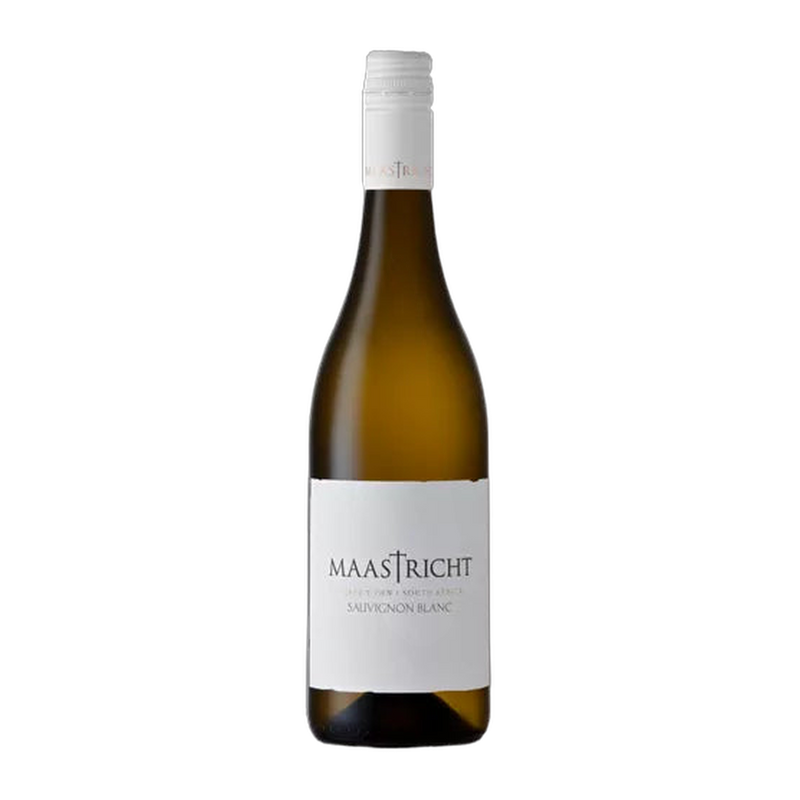


The Maastricht winery's adventure began in 1702 when the farm was granted to Hendrick Seeger, a Dutch colonist who arrived in South Africa with the Dutch East India Company. The name comes from the first colonists searching for fertile land. The clay-rich soil reminded them of the soil of their hometown, Maastricht. The wines therefore have a distinctly Dutch flavor. Today, the estate boasts approximately 100 hectares of vineyards planted with Sauvignon Blanc, Pinotage, and Merlot grape varieties, among others. In 2010, the Lauw family decided to create their own wine label. The clay-rich soils surrounding the Tygerberg act like a sponge, absorbing water during Cape Town's cold, wet winters. The vineyards are situated near the Atlantic Ocean, allowing cooling winds to blow into the vineyards. This creates a balanced microclimate, perfect for growing Maastricht wines.
The grapes are harvested by hand in the early morning. They are then rigorously controlled, destemmed, and crushed. The juice remains in contact with the skins for 12 hours before being pressed. The wine is fermented in stainless steel tanks at a temperature of 14 to 16 degrees Celsius. After this, the wine is aged on its lees for another two months. And yes, we can say that the result of this Maastricht Sauvignon Blanc is stunning. The aroma is intense and complex, with notes of tropical fruit, gooseberry, and passion fruit, along with a hint of green fig. These distinctive aromas support a wonderfully balanced palate and present the purity of ripe fruit.


