
Knowledge Base & Encyclopedia
In-depth, verified guides on the world's most prominent grape varieties, classic wine regions, tasting profiles, and serving advice. Curated by the wine specialists of Perfecte Wijn.
 Wine Knowledge
Alcohol content in wine: what is normal, how does it form and why does it matter?
The average alcohol content of a standard dry table wine worldwide falls between 11.5% and 13.5% ABV. However,...
 Wine Knowledge
Appassimento & Ripasso: How Grape Drying and Re-Fermentation Deepen Italian Reds
Appassimento and Ripasso are two closely linked yet distinct Italian winemaking methods rooted in Veneto's Valpolicella hills [1,...
 Wine Knowledge
Barolo vs. Barbaresco: Comparing Piedmont's Two Great Nebbiolo Neighbours
Barolo and Barbaresco are both 100% Nebbiolo DOCG wines from Piedmont's Langhe hills, situated barely 15 kilometres apart...
 Wine Knowledge
Best Wine for Cheese Fondue and Raclette: Crisp Whites and Light Reds
Rich, nutty melted Alpine cheeses like Gruyère, Vacherin and Raclette demand crisp, unoaked white wines with lively acidity...
 Wine Knowledge
Best Wine for Fish, Oysters and Seafood: From Chablis to Chilled Pinot Noir
From briny oysters to butter-basted turbot and seared salmon, matching wine to seafood comes down to fish texture...
 Wine Knowledge
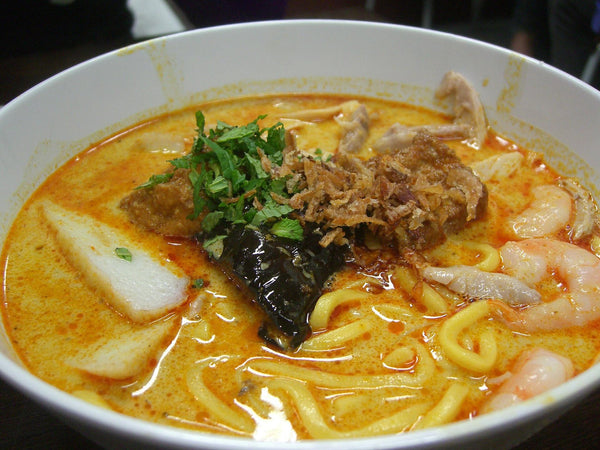
Best Wine for Spicy and Asian Food: Why Riesling, Gewürztraminer and Chilled Reds Win
Asian and spicy cuisines pack chilli heat, ginger, lemongrass, soy umami and coconut milk [1, 2]. The winning...
 Wine Knowledge
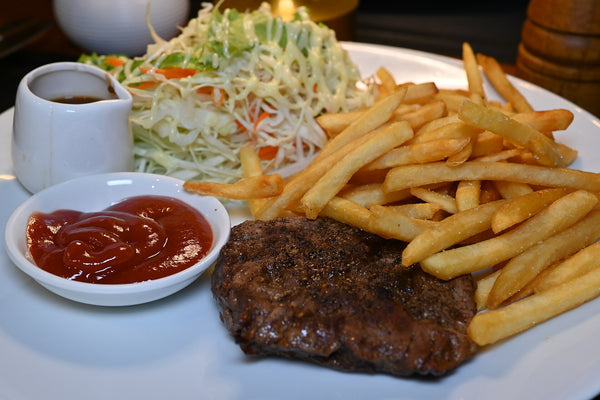
Best Wine for Steak and Red Meat: Matching Cut, Marbling and Sauce
Different cuts of beef call for different red wines [1]. Marbling is the key: richly marbled ribeye softens...
 Wine Knowledge
Bordeaux Left Bank vs Right Bank: Soils, Grapes and Style Compared
The divide between Bordeaux's Left Bank and Right Bank starts beneath the vines [1, 3]. On the warm...
 Wine Knowledge
Calories and Carbohydrates in Wine: Reading Alcohol, Sugar and EU Labels
A standard 150 ml glass of dry wine contains roughly 100 to 130 kcal and only 1.5 to...
 Wine Knowledge
Carbonic Maceration: How Whole-Berry Fermentation Creates Juicy Red Wines
Carbonic maceration (macération carbonique) is a red winemaking technique in which whole, uncrushed grape bunches are sealed inside...
 Wine Knowledge
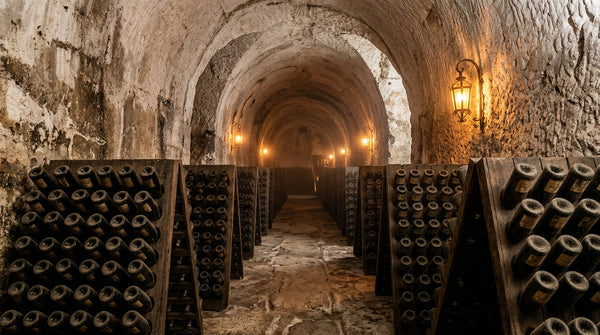
Cava and Corpinnat: Spanish Traditional-Method Sparkling Wines
Cava and Corpinnat rank among the finest traditional-method sparkling wines in Europe [1, 2]. Both are anchored in...
 Wine Knowledge
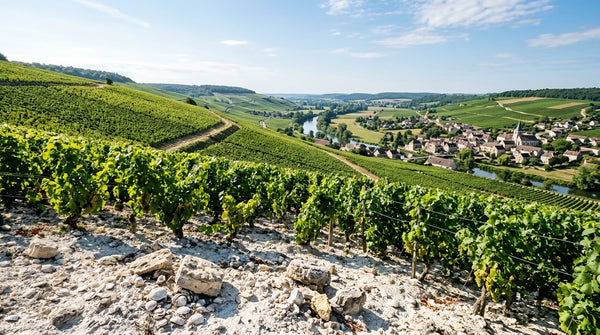
Chablis vs. Oaked Chardonnay: How One Grape Produces Two Opposite Styles
Chablis is always 100% Chardonnay, yet stands as the crisp, saline counterpart to rich, oaked Chardonnay [1, 2]....
 Wine Knowledge
Champagne vs. Prosecco vs. Cava: Differences in Method, Grapes and Taste
Champagne, Prosecco and Cava differ on three decisive factors: origin, grape varieties and how the bubbles are created...
 Wine Knowledge
Choosing Wine Glasses: How Bowl Shape Directly Shapes Aroma and Taste
A well-proportioned wine glass is not a luxury accessory — it is the acoustic chamber of wine [1,...
 Wine Knowledge
Crianza vs Reserva vs Gran Reserva: Spain's Wine Ageing Tiers Explained
Crianza, Reserva and Gran Reserva are legally defined Spanish wine ageing tiers specifying minimum time in oak barrels...
 Wine Knowledge
Crémant: French Traditional-Method Sparkling Wine Across Eight Regions
Crémant is France's benchmark designation for traditional-method sparkling wine produced outside Champagne [1, 3]. Spanning eight official AOC...
 Wine Knowledge
Decanting vs. Carafing Wine: When to Aerate and When to Pour Gently
Decanting and carafing are often used interchangeably, yet serve two distinct purposes [1, 2]. Carafing aerates young, tight...
 Wine Knowledge
Do Sulfites in Wine Cause Headaches? The Scientific Truth
No, the belief that sulfites in wine cause headaches is one of the most enduring myths in the...
 Wine Knowledge
Do Tears or Legs in the Glass Indicate Wine Quality?
No, the 'tears' or 'legs' that form and crawl down the sides of your glass after swirling reveal...
 Wine Knowledge
Does Every Wine Improve with Age? The Cellaring Reality
No, believing every wine improves with age is a complete misconception [1]. More than 90% of all wine...
 Wine Knowledge
Does Organic Wine Contain Sulfites? The EU Law and Biological Truth
Yes, organic wine almost always contains sulfites [1, 2]. First, a completely 100% sulfite-free wine is biologically impossible:...
 Wine Knowledge
Does a Silver Spoon Keep Champagne Bubbly? The Laboratory Verdict
No, placing a silver or stainless steel spoon inside the neck of an opened Champagne bottle does not...
 Wine Knowledge
Food and Wine Pairing: Five Core Rules That Always Work
Forget rigid 'white with fish, red with meat' formulas [1]. Great pairing comes down to five clear structural...
 Wine Knowledge
Franciacorta DOCG: Italy's Metodo Classico, Satèn and Long Lees Ageing
Franciacorta DOCG is Italy's benchmark traditional-method (Metodo Classico) sparkling wine [1, 3]. Grown across glacial moraine hills beside...
 Wine Knowledge
French Wine Classifications Explained: From Vin de France and IGP to AOC and Grand Cru
France's wine classification architecture is built around geographic origin rather than brand or grape variety [1]. At the...
 Wine Knowledge
German Wine Classifications: Prädikatswein, the VDP Pyramid and Grosses Gewächs (GG)
German wine classification rests on two complementary pillars [1, 2]. Traditional wine law grades Prädikatswein into six levels...
 Wine Knowledge
How Long Does Opened Wine Last? Realistic Shelf Life by Style
The moment a bottle is opened, oxygen begins reacting with fruit and alcohol [1, 2]. Most still wines...
 Wine Knowledge
How Rosé Wine Is Made: The Four Winemaking Methods Explained
Quality still rosé is not made by mixing white and red wine — a practice banned in the...
 Wine Knowledge
How to Choose Wine as a Gift: Smart Picks for Every Occasion and Budget
A memorable wine gift starts with the occasion and a balanced, recognisable style rather than a flashy label...
 Wine Knowledge
How to Read a Wine Label in 5 Steps: Origin, Grape, Vintage and Style
You can decode almost any wine label in twenty seconds by checking five reliable signposts: origin or grape...
 Wine Knowledge
How to Taste Wine in 4 Steps: Look, Smell, Taste and Read the Finish
Structured wine tasting follows four consistent steps: look, smell, taste and evaluate the finish [1, 2]. By applying...
 Wine Knowledge
Is Red Wine Truly the Best Match for Cheese? Why White Wins
No, the conventional impulse to pop open a bold bottle of red wine with a cheese board is...
 Wine Knowledge
Italian Wine Classifications: DOCG, DOC, IGT, Classico and Riserva Explained
Italian wine labels feature a pyramid of official designations — DOCG, DOC and IGT — refined by terms...
 Wine Knowledge
Magnum Bottles & Large Formats: Why Wine Ages More Gracefully in 1.5 Litres
A 1.5-litre magnum is far more than a festive table centrepiece — technically, it is the finest vessel...
 Wine Knowledge
Non-Alcoholic Wine (0.0%): How Dealcoholization Works and Which Styles Shine
Authentic non-alcoholic wine is not grape juice, but fully fermented wine from which alcohol has been gently removed...
 Wine Knowledge
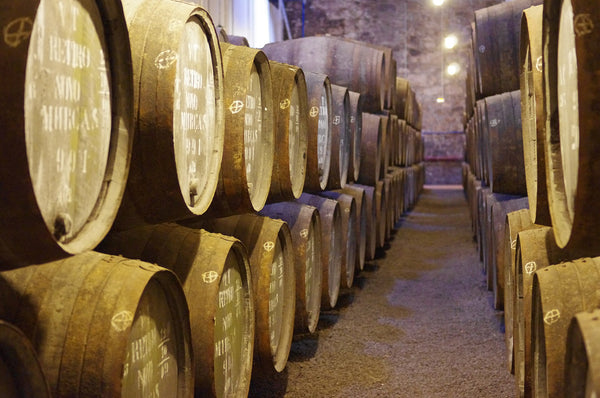
Oak Ageing in Wine: French vs. American Oak, Barriques and Large Casks
In the cellar, an oak barrel performs two vital tasks: it permits slow, controlled micro-oxygenation that polishes firm...
 Wine Knowledge
Old Vines (Vieilles Vignes): Why Vine Age Matters for Concentration and Balance
Old vines — labelled Vieilles Vignes, Viñas Viejas, Alte Reben or Old Vines — naturally bear smaller crops...
 Wine Knowledge
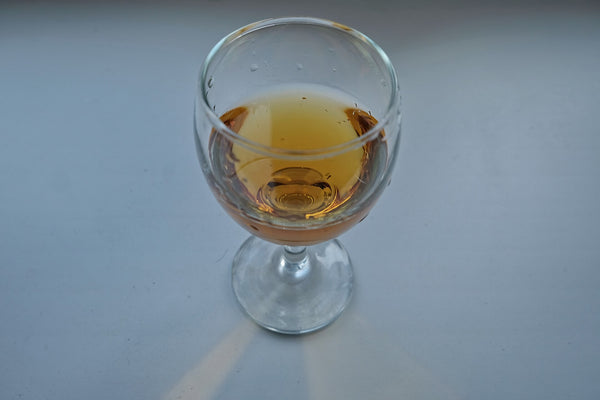
Orange Wine Explained: How Skin Contact Transforms White Grapes
Orange wine — more accurately called amber wine in its birthplace Georgia — contains no oranges; it is...
 Wine Knowledge
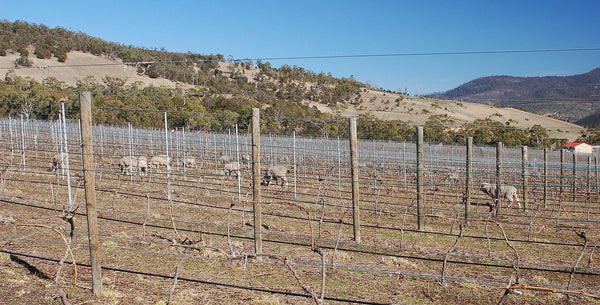
Organic, Biodynamic and Natural Wine: The Exact Differences Explained
Organic, biodynamic and natural wine are often lumped together, yet they represent distinct farming and winemaking frameworks [1,...
 Wine Knowledge
Pinot Grigio vs. Pinot Gris: Same Grape, Two Distinct Wine Styles
Pinot Grigio and Pinot Gris are genetically the exact same grape — a greyish-pink colour mutation of Pinot...
 Wine Knowledge
Port Wine Styles Explained: Ruby, LBV, Vintage and Aged Tawny
Port is a fortified wine from Northern Portugal's steep, schist-terraced Douro Valley, where fermentation is halted early with...
 Wine Knowledge
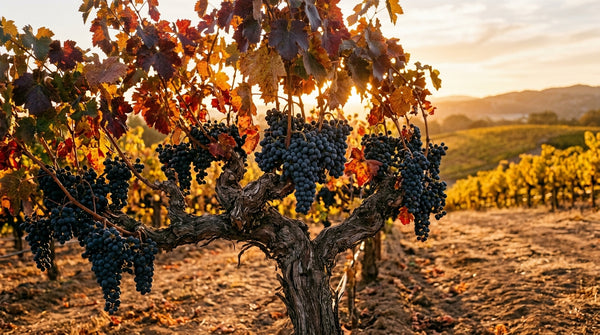
Primitivo vs Zinfandel: Same Grape, Distinctly Different Wines
Primitivo and Zinfandel are genetically the exact same grape variety, originally from Croatia under the name Tribidrag [1,...
 Wine Knowledge
Residual Sugar in Wine: When Is Wine Truly Dry and How Sweet Wines Are Made
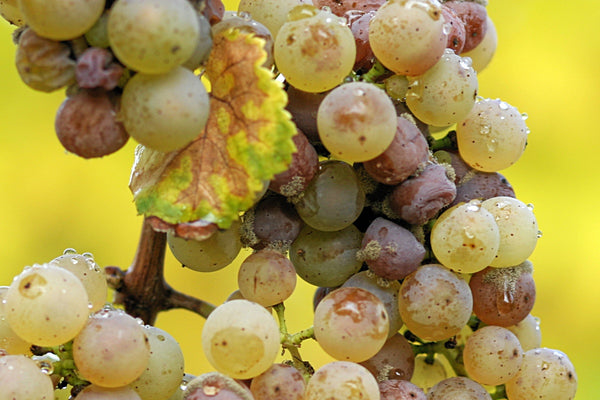
Residual sugar is the natural grape sugar left unfermented after yeast finishes its work [1, 2]. Under EU...
 Wine Knowledge
Rioja vs Ribera del Duero: How Spain's Two Tempranillo Benchmarks Differ
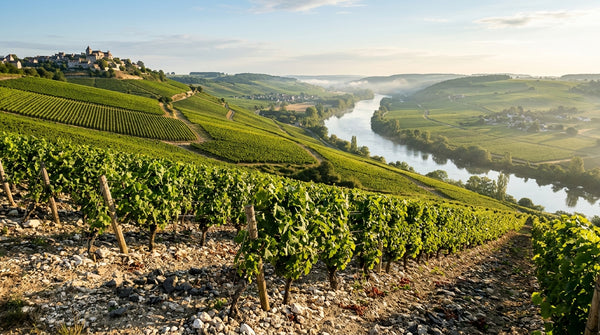
Rioja and Ribera del Duero both revolve around Tempranillo, yet they produce markedly different red wines [1, 2]....
 Wine Knowledge
Sancerre vs New Zealand Sauvignon Blanc: Chalky Restraint vs Tropical Zip
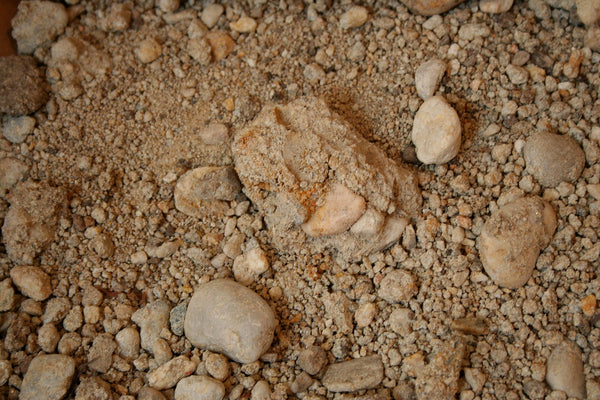
White Sancerre and New Zealand Sauvignon Blanc come from the exact same grape variety yet sit at opposite...
 Wine Knowledge
Sauternes & Barsac: Noble Rot, Sémillon and the Balance of Sweetness and Acidity
Sauternes and Barsac set the global benchmark for botrytized sweet white wines in southern Bordeaux [1, 3]. Where...
 Wine Knowledge
Screwcap vs. Cork: Does a Screwcap Mean Inferior Wine Quality?
No, believing screwcapped wine is inferior to corked wine is completely unfounded [1, 2]. Rigorous scientific studies demonstrate...
 Wine Knowledge
Setting Up a Wine Cellar or Climate Cabinet: Temperature, Humidity and Layout
Safe wine storage rests on five constants: a steady temperature around 12°C, 60%–75% relative humidity, darkness, freedom from...
 Wine Knowledge
Sherry: From Bone-Dry Fino and Manzanilla to Amontillado, Oloroso and PX
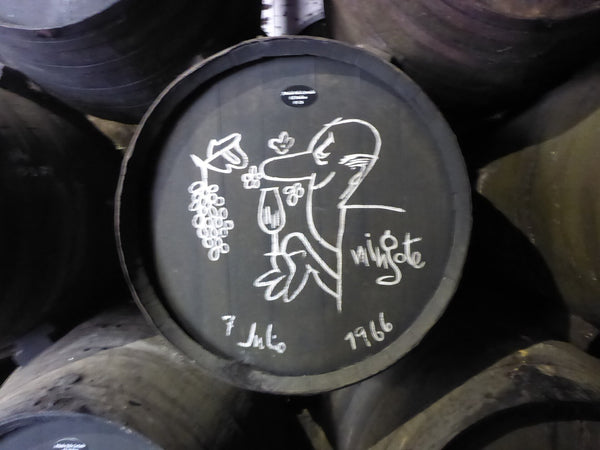
Sherry is one of the world's most complex and food-friendly wine families — and in its classic forms,...
 Wine Knowledge
Should Red Wine Really Be Served at Room Temperature? The Myth
No, the conventional wisdom that red wine should be served at 'room temperature' is one of the most...
 Wine Knowledge
Spanish Wine Classifications: Origin Tiers (DO & DOCa) and Ageing Rules (Crianza, Reserva, Gran Reserva)
Spain operates a distinctive twin-track classification system [1, 3]. On one track, an origin pyramid rises from Vino...
 Wine Knowledge
Spotting Wine Faults: Cork Taint (TCA), Oxidation, Reduction and Harmless Crystals
When a wine smells off, it is not always a matter of personal taste — sometimes the bottle...
 Wine Knowledge
Storing Wine Without a Cellar: Best Spots at Home and Pitfalls to Avoid
You do not need a 12°C stone cellar to keep everyday wines in great shape for 1 to...
 Wine Knowledge
Sur Lie Ageing and Bâtonnage: How Yeast Lees Build Texture and Depth
Sur lie ageing means allowing finished wine to rest intentionally on its fine spent yeast cells (lees) after...
 Wine Knowledge
Syrah vs. Shiraz: How Climate and Winemaking Shape the Same Grape
Syrah and Shiraz are genetically the exact same grape from southeastern France, yet the name on the label...
 Wine Knowledge
Tannins in Wine: What They Do, Grape Levels and How They Soften
Tannins are natural polyphenols derived from grape skins, seeds, stems and oak barrels [1, 2]. Acting as red...
 Wine Knowledge
Terroir in Wine: How Soil, Climate, Aspect and Human Craft Shape Flavour
Terroir is the interplay of natural environment and human know-how that gives a wine an unmistakable sense of...
 Wine Knowledge
Tokaji Aszú: Volcanic Furmint, Noble Rot and the Puttonyos System
Tokaji Aszú from north-east Hungary ranks among the world's oldest and most distinctive botrytized sweet wines [2, 3]....
 Wine Knowledge
Top 10 Wine Myths and Misconceptions Debunked: What Does Science Say?
The top 10 wine myths thoroughly debunked by modern enological and sensory science. Discover the facts about sulfites,...
 Wine Knowledge
What Determines the Price of a Bottle of Wine? From €5 Bottles to Grand Cru
In a €5 bottle of wine, most of your money pays for fixed costs — excise duty, VAT,...
 Wine Knowledge
What Does the Indentation at the Bottom of a Wine Bottle Mean? (The Punt)
The indentation at the bottom of a wine bottle is called the 'punt' and has zero correlation with...
 Wine Knowledge
White Wine with Fish and Red Wine with Meat: Is the Rule Outdated?
Yes, the rigid adage that 'white wine belongs with fish and red wine with meat' is thoroughly outdated...
 Wine Knowledge
Wine Bottle Sizes Explained: From Half Bottle and Magnum to Nebuchadnezzar
A standard wine bottle holds 0.75 litres (about 6 glasses), yet wine formats span from 0.1875 litres (Piccolo)...
 Wine Knowledge
Wine Serving Temperatures: Ideal Degrees by Style and the 20-Minute Rule
The two most common wine-service mistakes are serving whites fridge-cold (4°C) and reds too warm (21°C living-room temperature)...
 Wine Knowledge
Wine Vintages Explained: When the Harvest Year Truly Matters
The vintage on a wine label states the calendar year in which the grapes were harvested, with EU...
 Wine Knowledge
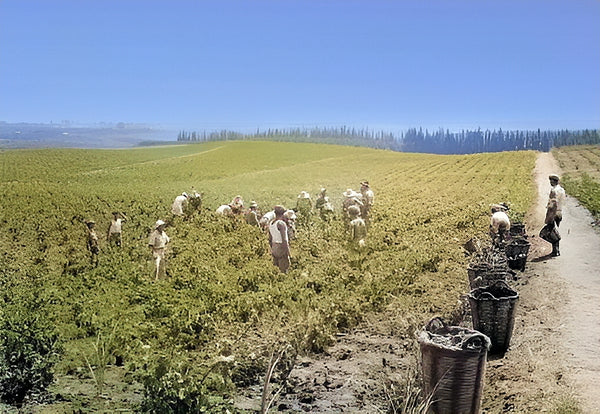
Winemaking Explained: How White, Rosé and Red Wine Are Made
Wine is created through one fundamental natural reaction: alcoholic fermentation, where yeast converts natural grape sugars into alcohol...
No guides found matching your query.


