
Burgundy
Burgundy is one of the world's most influential wine regions. The area is known for its unparalleled finesse in Pinot Noir and Chardonnay, with a focus on terroir, precision, and elegance. Each village, hill, and even plot can express itself uniquely. This mosaic of microclimates and chalky soils makes Burgundy the benchmark for elegant red and white wines with purity, tension, and depth.
101 products
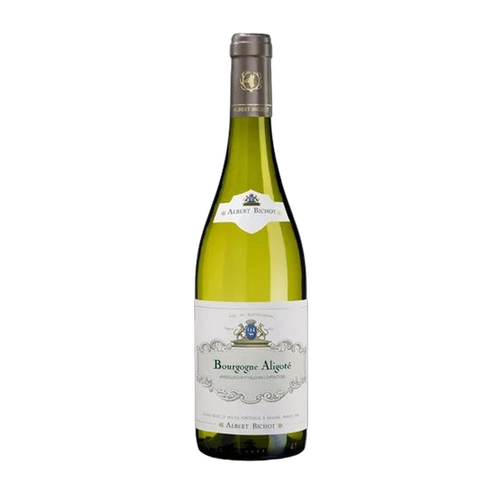
Shipment within approx. 2 business days. Shipment within approx. 2 business days.
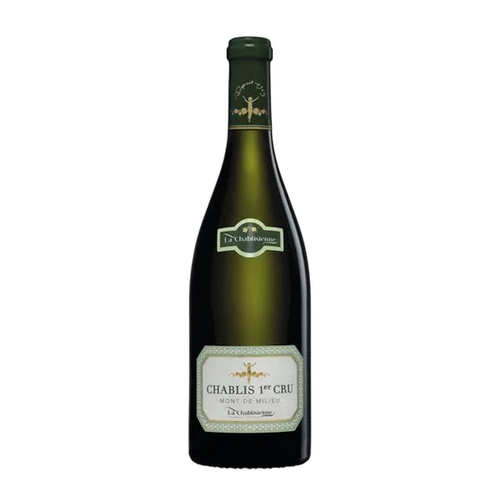
Order now, shipped tomorrow Shipped tomorrow

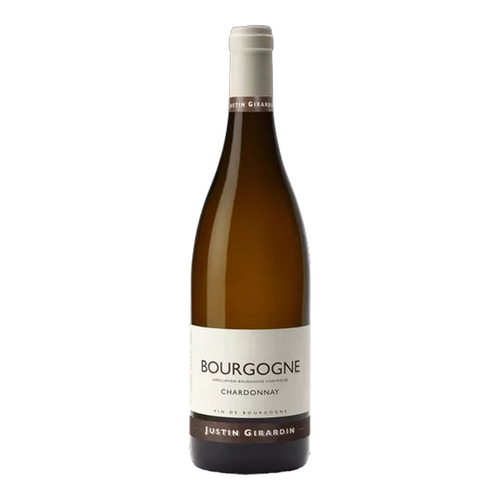
Shipment within approx. 2 business days. Shipment within approx. 2 business days.
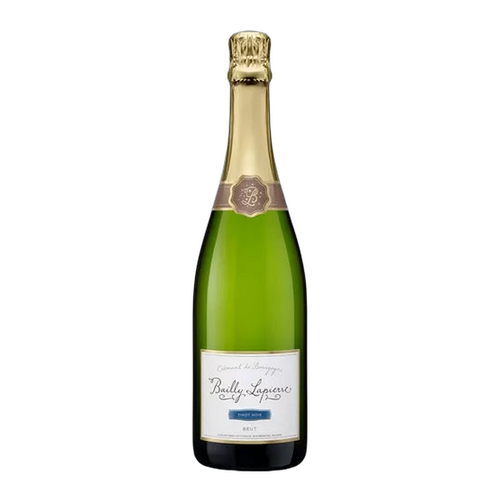
Order now, shipped tomorrow Shipped tomorrow

Shipment within approx. 2 business days. Shipment within approx. 2 business days.
Shipment within approx. 2 business days. Shipment within approx. 2 business days.

Shipment within approx. 2 business days. Shipment within approx. 2 business days.

Shipment within approx. 2 business days. Shipment within approx. 2 business days.

Shipment within approx. 2 business days. Shipment within approx. 2 business days.
Shipment within approx. 2 business days. Shipment within approx. 2 business days.
Order now, shipped tomorrow Shipped tomorrow
Shipment within approx. 2 business days. Shipment within approx. 2 business days.

Order now, shipped tomorrow Shipped tomorrow
Order now, shipped tomorrow Shipped tomorrow
Shipment within approx. 2 business days. Shipment within approx. 2 business days.
Order now, shipped tomorrow Shipped tomorrow


Order now, shipped tomorrow Shipped tomorrow

Shipment within approx. 2 business days. Shipment within approx. 2 business days.
Order now, shipped tomorrow Shipped tomorrow
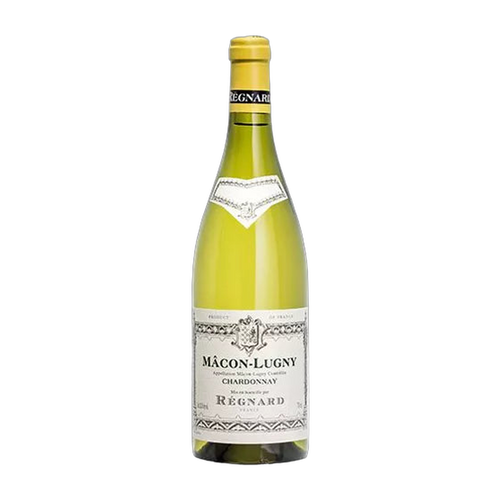
Shipment within approx. 2 business days. Shipment within approx. 2 business days.
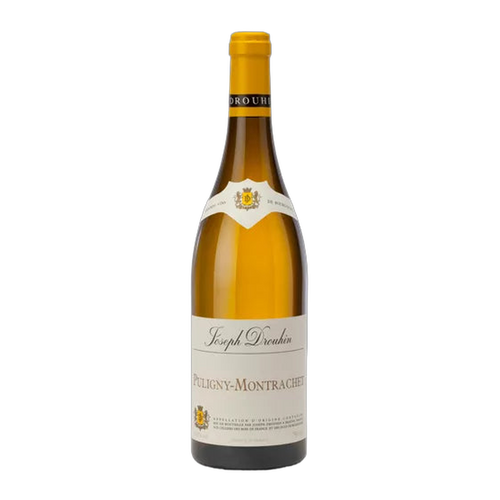
Shipment within approx. 2 business days. Shipment within approx. 2 business days.
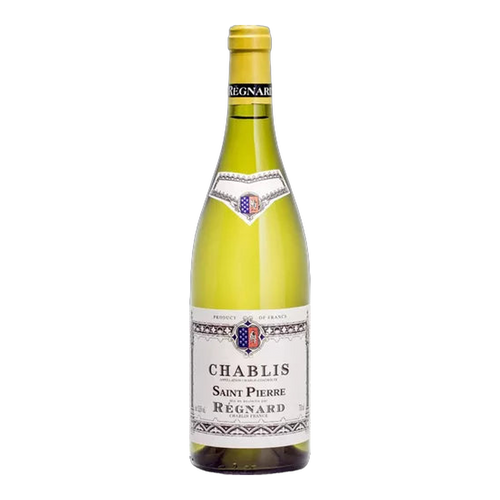
Order now, shipped tomorrow Shipped tomorrow
Burgundy is one of the world's most influential wine regions. The area is known for its unparalleled finesse in Pinot Noir and Chardonnay, with a focus on terroir, precision, and elegance. Each village, hill, and even plot can express itself uniquely. This mosaic of microclimates and chalky soils makes Burgundy the benchmark for elegant red and white wines with purity, tension, and depth.
What is Burgundy wine?
Burgundy wine comes from the Burgundy region in eastern France and is primarily made up of Pinot Noir (red) and Chardonnay (white) . Aligoté, Gamay , and some local curiosities are also found in specific sub-regions. Burgundy is known for its terroir-driven wines: the idea that the exact origin, from region to individual vineyard, determines the style and quality of the wine. The hierarchy ranges from regional Burgundy to Village, Premier Cru, and Grand Cru.
Origin and vineyards
Burgundy is elongated and made up of several sub-regions, each with its own character and reputation.
Main regions from north to south:
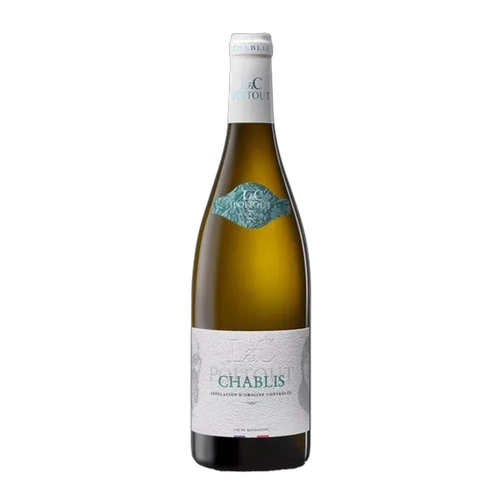
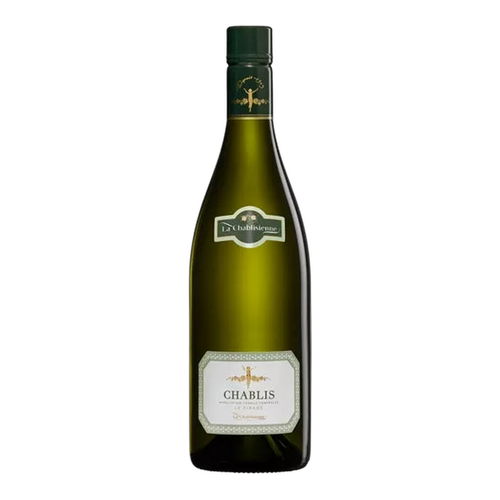
Chablis
• Cool, mineral, 100% Chardonnay
• Kimmeridge soils with saline tension
Côte de Nuits
• The heart of Pinot Noir
• World-famous villages: Gevrey-Chambertin , Vosne-Romanée , Nuits-Saint-Georges
• Mainly powerful, aromatic red wines
Côte de Beaune
• World-class Chardonnay ( Meursault , Puligny , Chassagne )
• Elegant Pinot Noir from Volnay , Pommard and Beaune
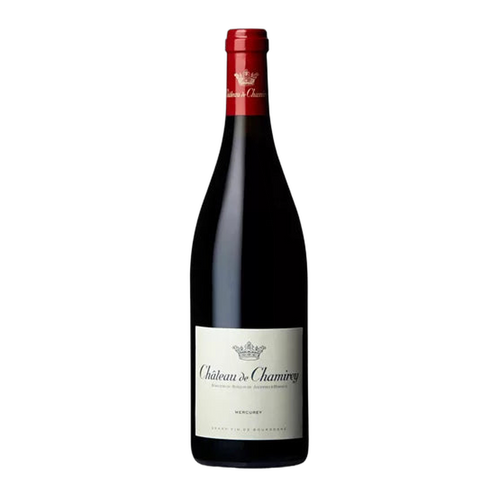
Côte Chalonnaise
• Accessible peaks from Mercurey, Givry and Montagny
• Fresh, refined Chardonnay and energetic Pinot Noir
Mâconnais
• More mature Chardonnay, such as Mâcon-Villages and Pouilly-Fuissé
• Warmer climate, round style
Terroir characteristics
• Limestone and marl form the basis of almost all great wines
• Slope angle and exposure determine ripeness and structure
• Microclimates allow for refined style differences within short distances
• Ripe acids and elegant tannins due to the temperate continental climate
Styles and vinification
Red Burgundy (Pinot Noir)
Red Burgundy is refined, aromatic and light-footed in structure, but with great depth.
Stylistic features
• Red cherry, raspberry, strawberry
• Flowers, herbs, soil
• Elegant, fine tannins
• Long, subtle finish
Vinification
• Skin fermentation for colour and structure
• Use of French barriques, often partly new
• Plot selection per village or cru
• Long maturation on fine lees for complexity
White Burgundy (Chardonnay)
The benchmark for Chardonnay worldwide: fresh, mineral, precise or round and powerful — depending on the region.
Stylistic features
• Citrus, apple, pear, white flowers
• With top wines: hazelnut, brioche, flint
• Chalky minerality and tension
Vinification
• Fermentation in stainless steel or French oak
• Maturation in barriques (often 20–50% new wood at top estates)
• Bâtonnage (stirring the yeast) for texture in certain styles
• Focus on purity and precision
Burgundian quality levels
- Régionale – Bourgogne Rouge/Blanc, Crémant de Bourgogne
- Village – village appellations such as Meursault, Gevrey-Chambertin
- Premier Cru – specific vineyards with extra quality
- Grand Cru – the absolute top, such as Le Chambertin, La Tâche, Montrachet
Storage and serving
Red Burgundy
• Basic Burgundy: 3–5 years
• Village: 5–10 years
• Premier Cru: 8–15 years
• Grand Cru: 15–30+ years
Serve at 15–17 degrees; younger wines can be decanted briefly.
White Burgundy
• Regional style: 2–5 years
• Village: 4–8 years
• Premier Cru: 6–12 years
• Grand Cru: 10–20+ years
Serve at 10–12 degrees Celsius; Grand Cru may be slightly warmer.
Buy Burgundy at Perfectewijn.nl
At Perfecte Wijn, you'll find a wide range of Burgundy wines: from mineral Chablis and elegant Côte de Beaune Chardonnay to refined Pinot Noir from the Côte de Nuits and affordable premium wines from the Côte Chalonnaise and Mâconnais. Each wine is selected for its terroir, precision, and pure Burgundian expression.
Veelgestelde vragen
Is Burgundy the same as Chardonnay and Pinot Noir?
Burgundy primarily uses these two grapes, but the style varies greatly by region, village, and vineyard.
Is Burgundy always wood-matured?
Côte de Nuits is primarily red (Pinot Noir), Côte de Beaune is famous for white (Chardonnay) and elegant red.
How do you recognize a good Burgundy?
Pay attention to the level of origin (Village, Premier Cru, Grand Cru) and producer — both are essential.
Why are Burgundy wines often expensive?
Due to small production, high demand, a lot of manual work and limited Grand Cru vineyards.


